Miami-Dade Concrete Permits: What Every Homeowner Needs to Know
Most concrete projects in Miami-Dade County require a permit — but the rules differ depending on exactly what you're building and where. Whether you're replacing a driveway, pouring a pool deck, or adding a patio, knowing which projects trigger permit requirements saves you from fines, stop-work orders, and complications when you sell. Here's a plain-language breakdown of what Miami-Dade requires and how the process works.
Which Concrete Projects Require a Permit in Miami-Dade?
The short answer: more than most homeowners expect. Miami-Dade County requires permits for new driveways, driveway expansions, pool slabs, screened patio slabs, and most structural concrete work. If your project touches the public right-of-way — the swale, curb cut, or street-side sidewalk — a separate Public Works permit is also required. One key exception: open concrete slabs outside the building footprint, such as basic open patios and walkways at grade, are exempt from a building permit in Miami-Dade under the county's permit exemption list. However, as of March 2025, those same projects now require a county stormwater/impervious surface approval before work begins.
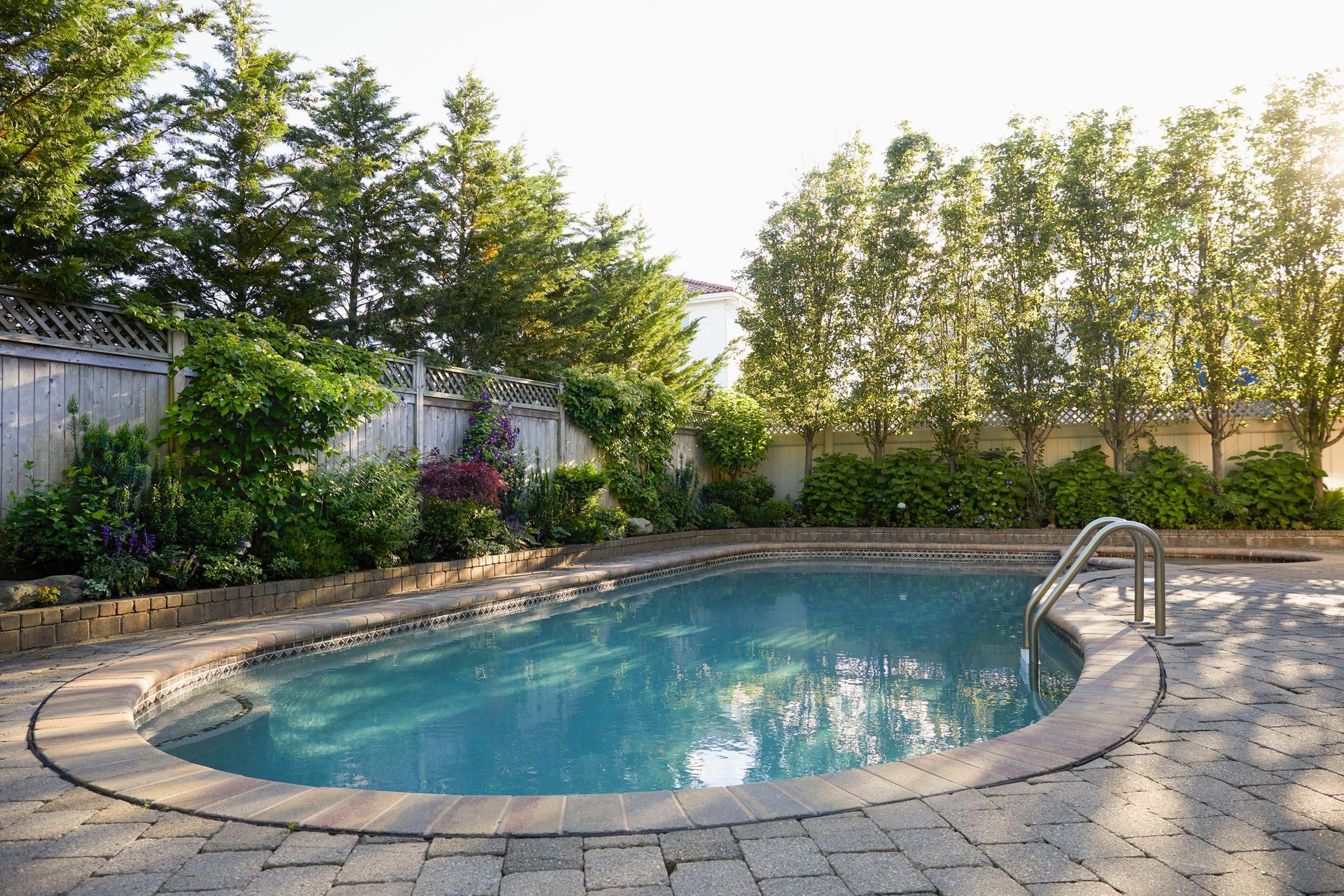
Pool Decks and Screened Patios
Pool slabs and screened patio slabs are specifically excluded from Miami-Dade's open-slab exemption — both require a building permit. New pool construction always requires a full permit package including PE-stamped engineering drawings. Permit fees for pool-related work typically run between $3,200 and $7,500, with approval averaging 6–12 weeks.
Driveways and Stamped Concrete
New driveways, driveway expansions, and decorative finishes like stamped concrete or brick pavers require a driveway permit through Miami-Dade Public Works. A Construction Covenant recorded by the Clerk of the Court is required for any driveway surface other than plain asphalt or plain concrete — that includes stamped concrete, brick pavers, and grass-slot designs.
What Documents Do You Need to Pull a Concrete Permit?
Required documents vary by project scope, but most residential concrete permits in Miami-Dade involve a standard set of items. Gathering these before you apply prevents delays during the plan review stage, which typically runs 15–30 business days for smaller residential projects.
Standard Document Checklist
Most concrete permit applications in Miami-Dade require: a completed building permit application form, a current property survey, a site plan with measurements of the proposed work, contractor license and insurance documentation, and — for driveways other than plain concrete — a recorded Construction Covenant. Structural work such as foundations or columns also requires signed and sealed engineering drawings from a licensed Florida engineer.
How Does the Miami-Dade Permit Process Work?
Miami-Dade County processes most permit applications through its online Regulatory and Economic Resources (RER) portal. If your property is within an incorporated city — like the City of Miami — permits go through that city's building department instead, using the iBuild and ePlan portals. Always confirm your jurisdiction before submitting; the wrong portal means starting over.
Step-by-Step: From Application to Final Inspection
Step 1: Confirm your jurisdiction (unincorporated Miami-Dade vs. City of Miami or another municipality).
Step 2: Gather all required documents.
Step 3: Submit your application online or in person at the Permitting and Inspection Center.
Step 4: Pass plan review — typically 15–30 business days. Step 5: Receive your permit and begin work. Step 6: Schedule and pass all required inspections. Step 7: Obtain your Certificate of Completion to officially close the permit.
What Happens If You Skip the Permit?
Unpermitted concrete work in Miami-Dade carries real consequences. The county can issue stop-work orders and levy fines. When you sell, unpermitted work flagged during a title search or inspection must often be retroactively permitted or removed — at your expense. Homeowners' insurance claims can also be denied if work was completed without required permits. The permit process exists in part because South Florida's hurricane, flood-zone, and high-humidity environment demands that concrete work meet strict load and drainage standards.
Why Working With a Licensed Contractor Matters for Permits
In Miami-Dade, a licensed contractor can pull permits on your behalf, sign required documents, and coordinate inspections — simplifying a process that can overwhelm first-time permit applicants. Florida has specific licensing laws, and Miami-Dade adds its own layer of requirements on top of state rules. A contractor without a valid local license cannot legally pull a permit here, which puts the liability on you as the property owner. Jr. Concrete Contractors is fully licensed and insured, with over 20 years of experience navigating Miami-Dade and Broward County permit requirements for residential and commercial concrete projects.
Frequently Asked Questions
Do I Need a Permit for a Concrete Patio in Miami-Dade?
An open concrete patio at grade does not require a building permit in Miami-Dade. However, as of March 2025, unincorporated county properties must obtain a stormwater/impervious surface approval before adding or expanding any paved surface, including patios.
Does a Concrete Driveway Require a Permit in Miami-Dade?
Yes. New driveways and driveway expansions require a Public Works driveway permit. Decorative finishes like stamped concrete or brick pavers also require a recorded Construction Covenant filed with the Clerk of the Court.
How Long Does a Concrete Permit Take in Miami-Dade?
Plan review typically takes 15–30 business days for smaller residential projects. Once approved, permit issuance takes an additional 5–10 business days. Scheduling inspections adds more time, especially during hurricane season.
Can a Homeowner Pull Their Own Concrete Permit?
Yes, as an owner-builder on your primary residence. You must submit an Owner-Builder Disclosure Statement and sign all permit documents yourself. Note that owner-builder permits come with limitations and added personal liability for the work.
What Concrete Work Is Exempt From a Building Permit in Miami-Dade?
Open patios, plain walkways, and basic slabs outside the building footprint are exempt from a building permit for single-family homes and duplexes. Pool slabs, screened patio slabs, driveways, and any structural concrete work are not exempt.